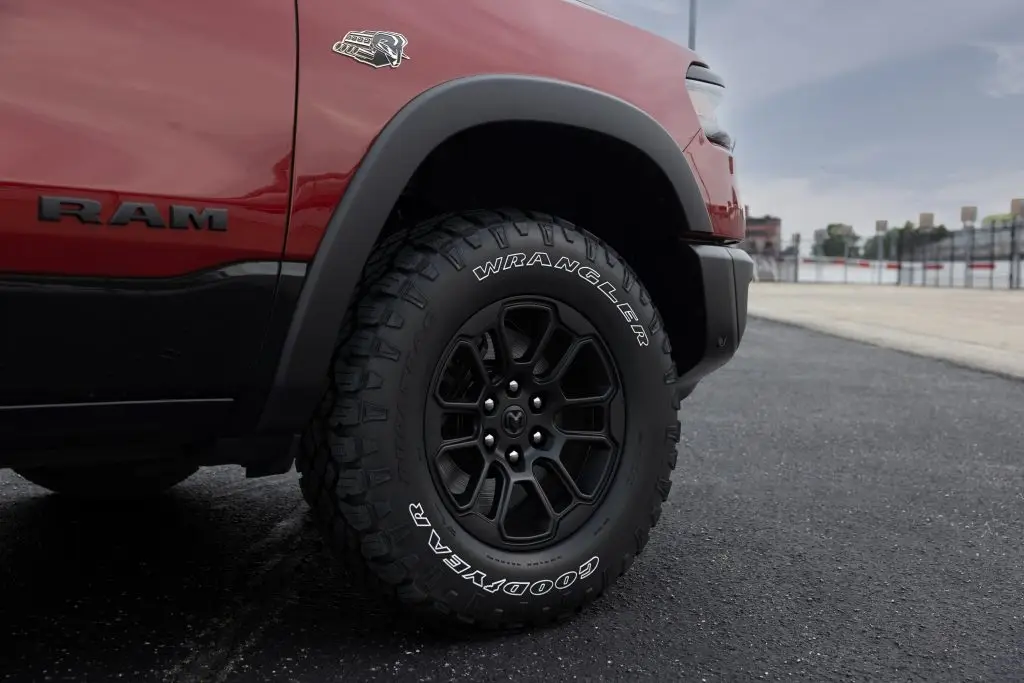
A well-maintained Ram 1500 is commonly reported to reach 200,000 to 300,000 miles, or about 322,000 to 483,000 kilometres, although there is no official Ram-published lifespan that applies to every truck. How long an individual Ram 1500 lasts depends heavily on maintenance, engine and drivetrain, towing or hauling use, driving conditions and corrosion exposure.
For buyers in Kenora and Northwestern Ontario, winter driving adds another factor: road salt, moisture, cold starts and repeated freeze-thaw cycles can make underbody condition and maintenance history especially important.
Ram 1500 Lifespan by Mileage
A Ram 1500 does not suddenly become unreliable at a specific odometer reading. Instead, the type of maintenance and inspection that matters tends to change as kilometres accumulate.
| Mileage | What It Usually Means for Buyers |
|---|---|
| Under 100,000 miles Under 161,000 km | Focus on whether routine maintenance has been completed, along with tire, brake and fluid condition. Age and previous use still matter even at lower mileage. |
| 100,000–200,000 miles 161,000–322,000 km | Wear-related components deserve closer attention. Review suspension, steering, cooling-system condition, drivetrain operation, leaks, brakes and complete service history. |
| 200,000–300,000+ miles 322,000–483,000+ km | Condition and maintenance history become more important than the odometer alone. Expect a more detailed evaluation of engine, transmission, driveline, suspension, corrosion and previous towing or work use. |
Can a Ram 1500 Reach 300,000 Miles?
Yes, individual Ram 1500s can reach 300,000 miles or more, but that should not be treated as a guaranteed lifespan.
Reaching that mileage generally depends on several things working together:
- Regular oil and fluid service
- Addressing leaks or warning signs early
- Proper transmission and drivetrain maintenance
- Staying within the truck’s towing and payload limits
- Replacing worn brakes, tires and suspension components when needed
- Preventing or addressing corrosion
- Keeping accurate service records
A truck that reaches 300,000 miles will usually have had normal wear items repaired or replaced along the way. Long lifespan does not mean zero repair costs.
What Usually Changes After 100,000 Miles?
Once a Ram 1500 moves beyond roughly 100,000 miles, or 161,000 kilometres, buyers should pay more attention to wear rather than simply asking whether the engine still runs well.
Important areas include:
Suspension and steering: Bushings, joints, shocks and related components can develop wear over time.
Cooling system: Inspect for leaks, coolant condition and evidence of overheating.
Transmission and driveline: Pay attention to shift quality, unusual noises and maintenance history.
Brakes: Pads, rotors and other brake components may have been replaced more than once depending on use.
Tires: Uneven wear can provide clues about alignment or suspension condition.
Leaks: Check underneath the truck and around major drivetrain components.
These are inspection points, not guaranteed failure items.
What Matters Most After 200,000 Miles?
Above roughly 200,000 miles / 322,000 kilometres, the maintenance history of the individual Ram 1500 becomes especially important.
At this mileage, ask:
- Were oil changes completed consistently?
- Was drivetrain maintenance documented?
- Has the truck regularly towed?
- Has it been used commercially or for demanding work?
- Have major wear items already been replaced?
- Does the engine start cleanly?
- Does the transmission shift normally?
- Does the 4×4 system operate properly where equipped?
- Is there significant corrosion underneath?
- Are warning lights present?
A high-mileage truck with strong records and good current condition can be easier to evaluate than a lower-mileage truck with little documented history.
What Is More Important: Age or Mileage?
Both.
A 15-year-old Ram 1500 with relatively low mileage can still develop age-related deterioration in seals, rubber components, electrical connections and corrosion-prone areas.
A newer Ram 1500 with very high mileage may have accumulated more mechanical wear in a shorter period.
The strongest evaluation considers:
Age + mileage + maintenance + previous use + current condition.
How Do Kenora Winters Affect Ram 1500 Lifespan?
For a Ram 1500 driven in Kenora or elsewhere in Northwestern Ontario, winter exposure can matter just as much as mileage.
Repeated exposure to snow, moisture, road salt and freezing temperatures makes several areas worth checking:
Underbody condition: Inspect for corrosion around the frame, suspension mounting areas and other exposed metal.
Brakes: Salt and moisture can contribute to corrosion and wear.
Battery: Cold temperatures place greater demand on starting systems.
Tires: Check tread depth, age and uneven wear.
4×4 operation: Verify that the four-wheel-drive system operates correctly where equipped.
Fluid condition: Confirm that maintenance has been kept current for the truck’s model year and powertrain.
A truck that has spent years in winter conditions is not automatically a bad purchase. What matters is how well it was maintained through those winters.
Continue Researching
If you are comparing overall ownership confidence, it is also helpful to review Is the Ram 1500 a Reliable Truck? Real Ownership, Problems & Long-Term Value because maintenance habits, driving conditions, and reliability history all affect long-term lifespan.
Many buyers also continue researching which Ram 1500 engines and model years are best suited for towing, winter driving, and high-mileage ownership.
Request More Info
Fill in the form below and our team will be in touch shortly.
🔒 Your information is encrypted and will never be shared or sold.
Frequently Asked Questions
How long does a Ram 1500 usually last?
A properly maintained Ram 1500 can often last well beyond 200,000 km, especially when used mainly for commuting, light towing, and balanced daily driving.
Does towing reduce Ram 1500 lifespan?
Frequent heavy towing can increase wear on drivetrain, suspension, and brake systems, which may shorten lifespan compared to lighter daily-driving use.
Is a high-mileage Ram 1500 still reliable?
Yes, a high-mileage Ram 1500 can still be reliable if maintenance has been consistent and the truck shows signs of responsible ownership and proper servicing.
What helps a Ram 1500 last longer?
Routine maintenance, smooth driving habits, proper towing practices, and rust prevention all help improve long-term Ram 1500 durability and ownership value.
Is the Ram 1500 good for winter driving long-term?
Yes, properly maintained Ram 1500 trucks equipped for winter conditions can perform well long-term, especially when rust prevention and seasonal maintenance are handled consistently.
Are newer Ram 1500 models built to last?
Newer Ram 1500 models include updated technology, refined interiors, and improved safety systems that help support long-term ownership and everyday usability.